
The BIOTECH ATTRACTION 2021 Conference brings together nearly 200 actors from the agri-food sector

- The State Research Agency (AIE) urges that the projects presented for the Next Generation be “ambitious” and the CEOE warns that the great challenge of PERTE Agri-food will be to “execute it quickly and reach SMEs”
- Biovegen, the plant biotechnology platform, has recorded the largest growth in members in its history in 2021 and hopes to expand its base thanks to the contacts maintained during the fair
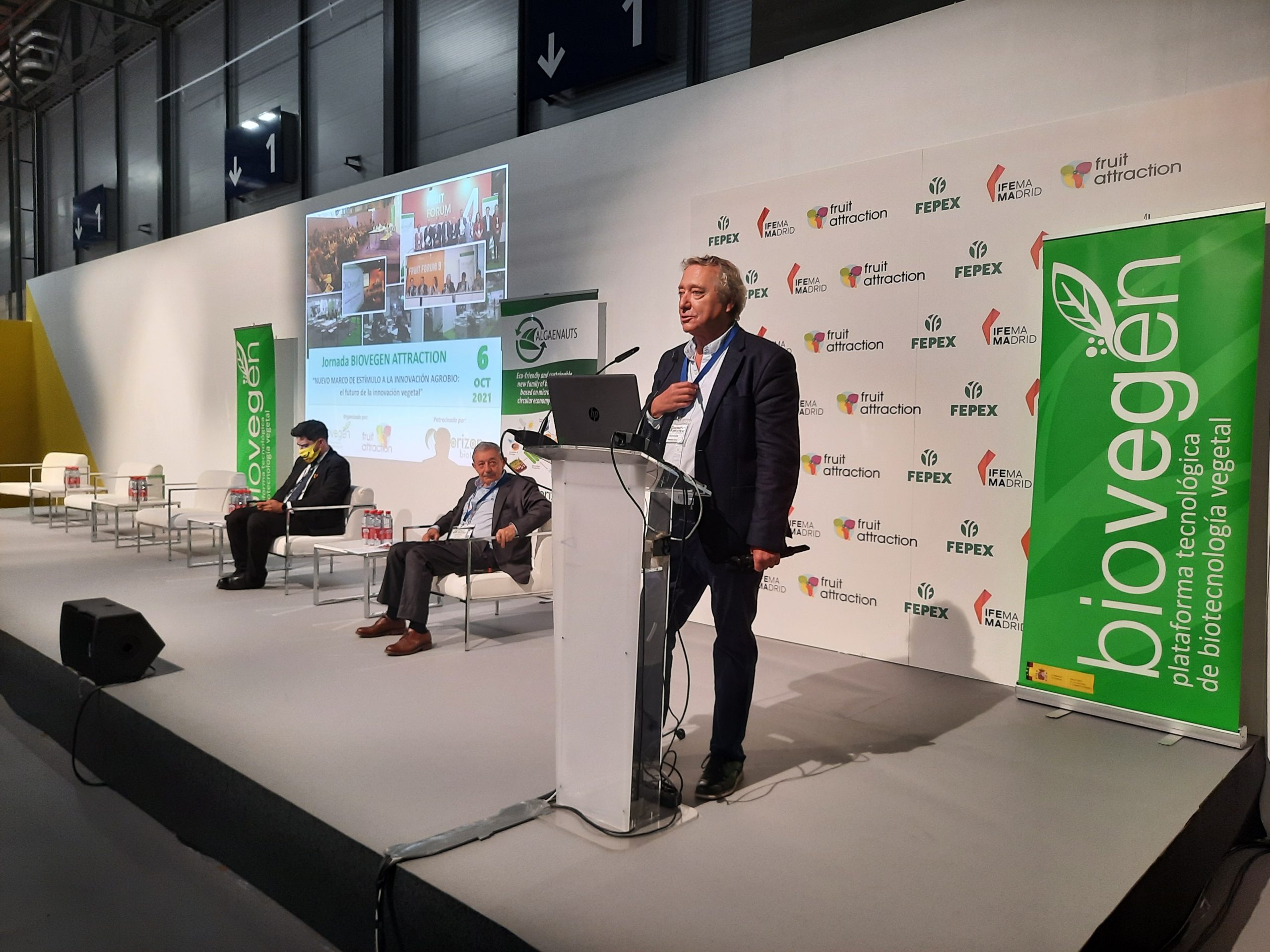
The economic recovery after the stoppage of the pandemic will also affect agricultural R&D&I. This was indicated by the director of the State Investigation Agency (AEI), Enrique Playán, in his speech during the Conference Biotech Attraction organized by Biovegen during the large fruit and vegetable fair held in Madrid last week. Playán advanced that the reinforcement in the endowment of the large programs already in progress managed by the IEA during the current year and until 2023, plus the impact of the recovery funds "will represent a great opportunity to rearm the research groups." And regarding the projects candidates for funds Next Generation, The director of the IEA demanded that they be “ambitious.” Not in vain, as Gonzalo Arana, head of European Projects at the CEOE, later indicated, the great challenge of these funds and of the Agri-Food PERTE which, with a budget of about 1,000 million euros will be released in November, will be “being able to manage it quickly and that its resources also reach SMEs.”

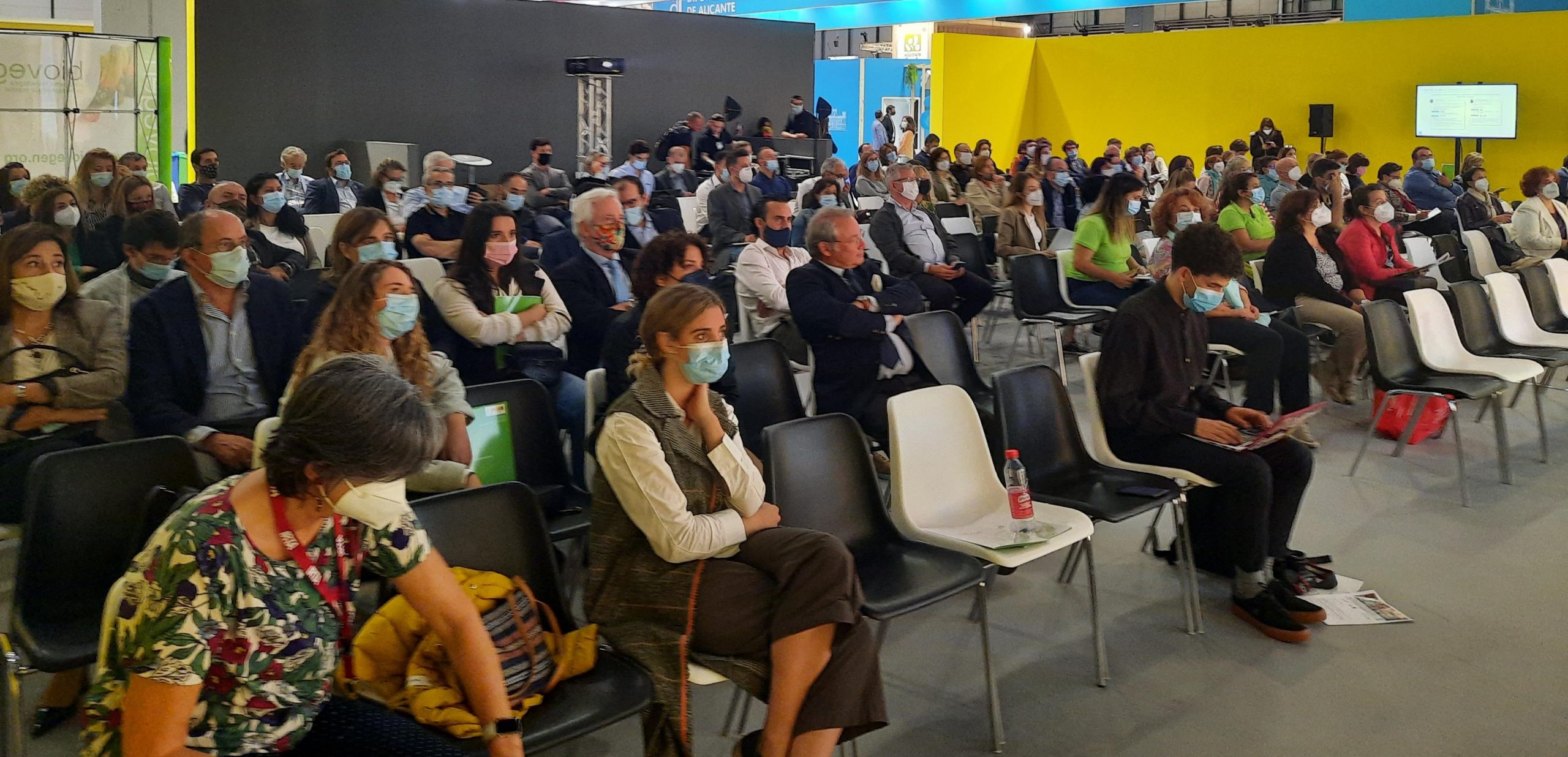
The Biovegen event, which once again filled the Fruit Forum with almost 200 people, served to confirm, in the words of its director, Gonzaga Ruiz de Gauna, the “good prospects that are presented for 'disruptive' technologies”. And among them he cited bioinformatics (which combines genetics with data generation); solutions against biotic (pests) and abiotic (soil and climate conditions) stress; genetic editing (for improved crops, varieties or patterns), as well as other trends in which the EU wants to be at the forefront, such as the circular economy, the fight against food waste (Program Food 2030) or policies in favor of sustainability, biodiversity or against climate change (farm to fork / Green Deal), as well as the opportunities opened by the new European R&D&I framework program Horizon Europe.
These technologies and policies are what have contributed to triggering interest in platforms such as Biovegen, dedicated to building bridges between the supply and demand of biotechnology and generating business opportunities through collaboration between scientific centers and companies. Only in this way can we understand that, with three months remaining until the end of this year, this platform has registered the largest annual increase in the number of member companies and centers in its history -22 entries- to a total of 142 members. Figures that, given the success of the public and results of Biotech Attraction –the new space created by Biovegen for fruit and vegetable innovation in Fruit Attraction– are expected to improve in the coming weeks.
reinforcement and Next Generation
The director of the AEI – the public agency that, together with the CDTI, channels most of the aid and credits to R&D in Spain – reviewed the evolution of this organization and its prospects for the coming years. Thus, he highlighted how during 2021 the calls for subsidies are expected to skyrocket compared to 2020 (from about 780 million euros to 1,550); calls that will allow, thanks to the Recovery, Transformation and Resilience Plan, for investments in 2022 to approach the record figure of almost 600 million euros (up from 140 this year) and be around 500 million in 2023. “Until 2023 We will have a great opportunity to improve research groups, associating more postdoctoral researchers, to access top-of-the-line equipment and to develop more projects,” concluded Playán.

Along these same lines, the representative of the CEOE – the national employers' association where Biovegen is also a member – described to the audience how the different sectoral, national PERTE's will be developed (with 40-45% of the funds); regional (55%) and municipal (5%) in which the Next Generation. “PERTE's are nothing more than an administrative umbrella from which the different subsidies will be released,” Arana clarified. Regarding the agri-food sector - as reported - it is already known that they will attend to projects that affect the entire value chain and that cover three basic areas: competitiveness (automation, digitalization, export); sustainability (energy savings, circular economy, water use) and traceability/food safety. “To streamline bureaucracy and ensure that these funds reach SMEs, we have asked for a single window. So far, without success,” said Arana.
Disruptive projects
And to exemplify the projection of new disruptive biotechnological techniques, Biovegen offered a real success story, that of Green Universe and an initiative Sakata Seed Iberian, candidate for the program Horizon Europe. It was Ignacio Horche himself, CEO of the first company mentioned and one of the creators of Tradecorp (the world's third largest producer of iron chelate), who presented the solutions that Green Universe It offers, through microorganisms that act consistently, to improve plant nutrition, combat abiotic stress (environmental factors) and thanks to all this, increase the immunity of the crop. By certifying each of these bioactivators, bioprotectors and bioinductors through third parties, the company manages to increase the yield and profitability of the crops (in strawberries, for example, they improve it by 5,516 euros/ha).
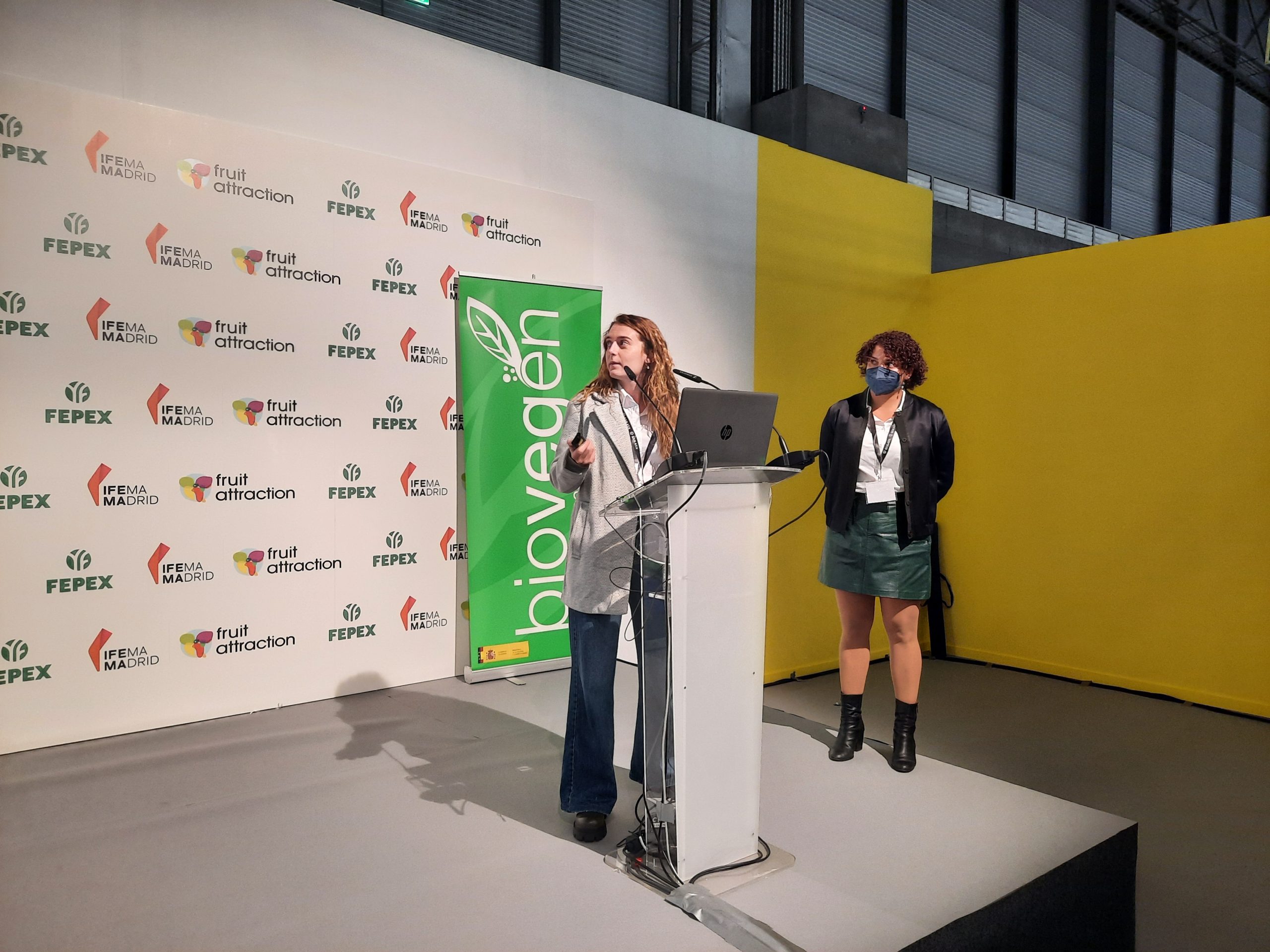
Agatha Agudelo and Eva Bataller, both responsible for Collaborative Projects of the biotechnology multinational Sakata Seed Iberian, exposed the possibilities of exploiting glucosinolates, which are known to be found in cruciferous vegetables (cauliflower, broccoli, collards, cabbage, rapeseed or turnip). Thus, in line with the trend promoted by Europe to activate a circular and more sustainable economy, the two researchers defended reusing this compound for the phytosanitary industry – to take advantage of its properties known as bactericide, fungicide, nematicide and insecticide; for the health and cosmetics industry –because it is known that they activate protection against some cancers; for their anti-inflammatory properties and against osteoporosis, for their usefulness against obesity or to treat anomalies in skin pigmentation - and for the agri-food industry itself - because they can act as a preservative and flavoring.

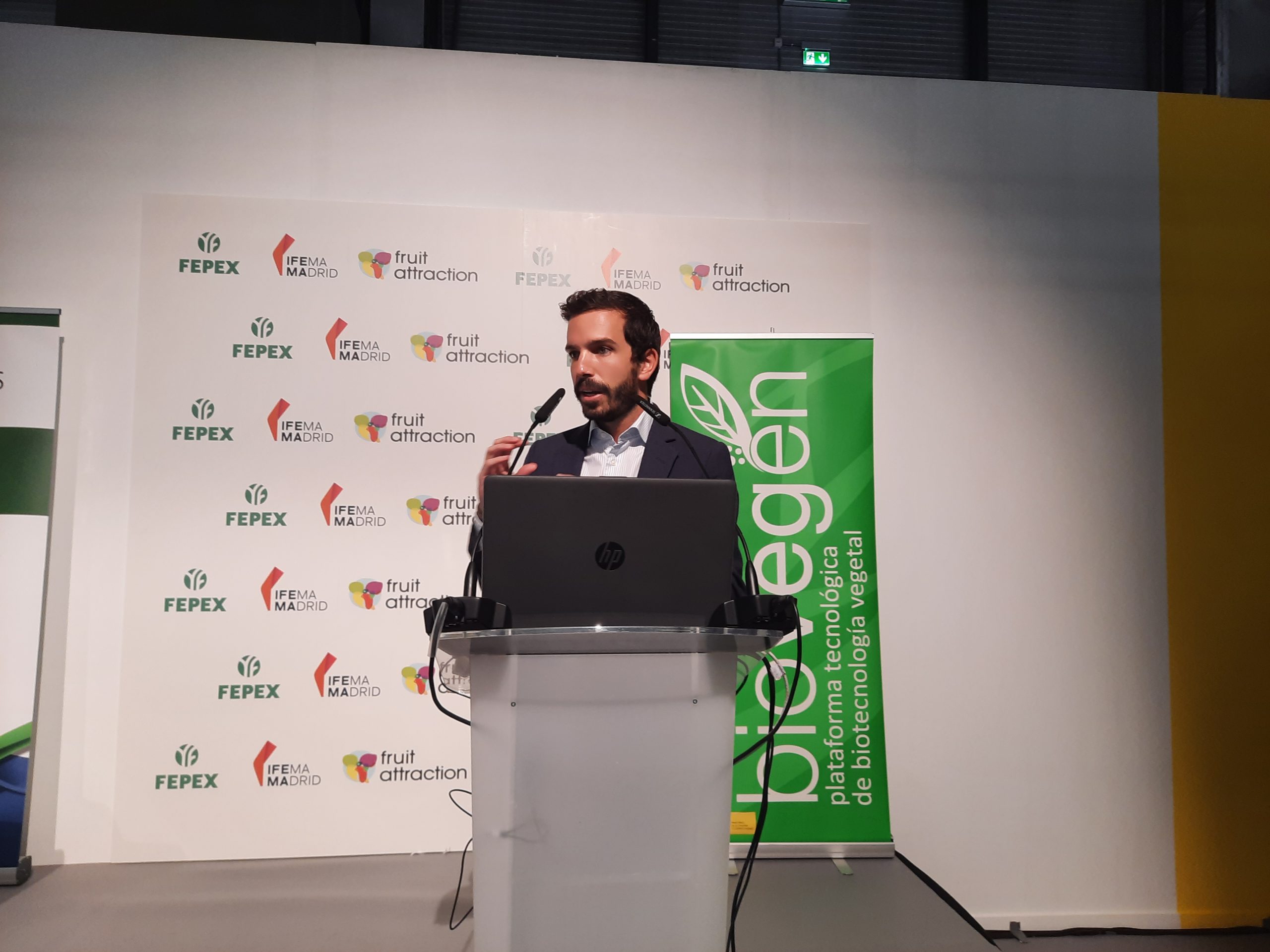
Carlos Baixauli, responsible for Agrosustainability at Cajamar, developed the Tierra project. With this initiative, which is already a reality and which even sparked the interest of the Minister of Agriculture himself, Luis Planas, the entity wants to address the challenge of digitalization of the agri-food sector – another of the great processes promoted by Europe. The platform intended for professionals provides "digital services with which to improve access to information, as well as its processing for correct decision-making," he explained. The site can then offer reports on markets (prices, production, stocks, exports...), sectoral analysis, innovations in each phase of the chain such as training and specialization (events, webinars and courses) or 'tool boxes' (irrigation and fertilization plans, integrated pest control...). Amparo Monfort, researcher at IRTA-CRAG, finally, analyzed the evolution of agricultural biotechnology in recent decades, from spontaneous mutation, the improvement of varieties by hybridization and crossing to the current advances in genetics, with sequencing, bioinformatics, breeding assisted by molecular markers and gene editing or CRISPR-Cas9.
Gallery






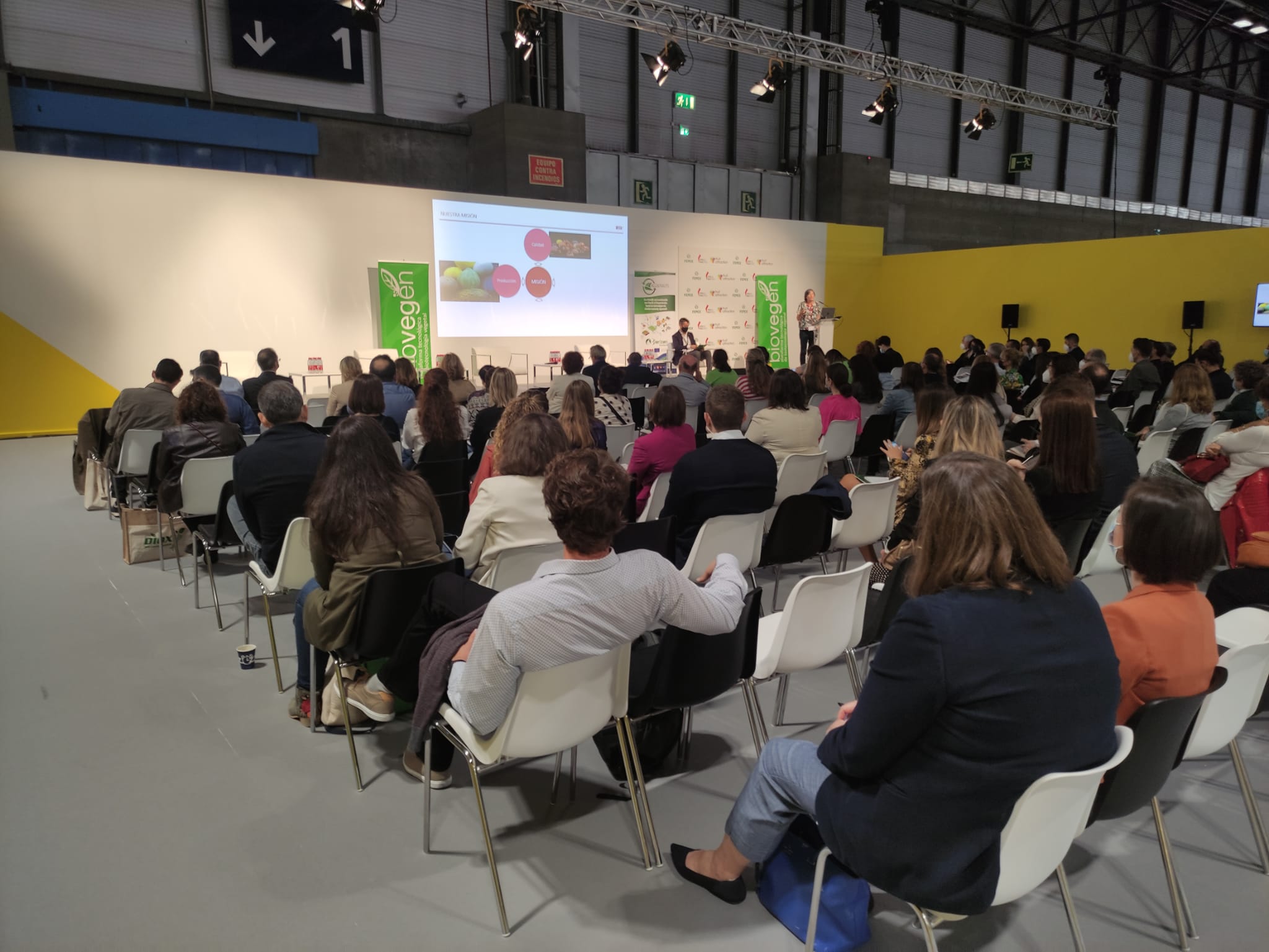
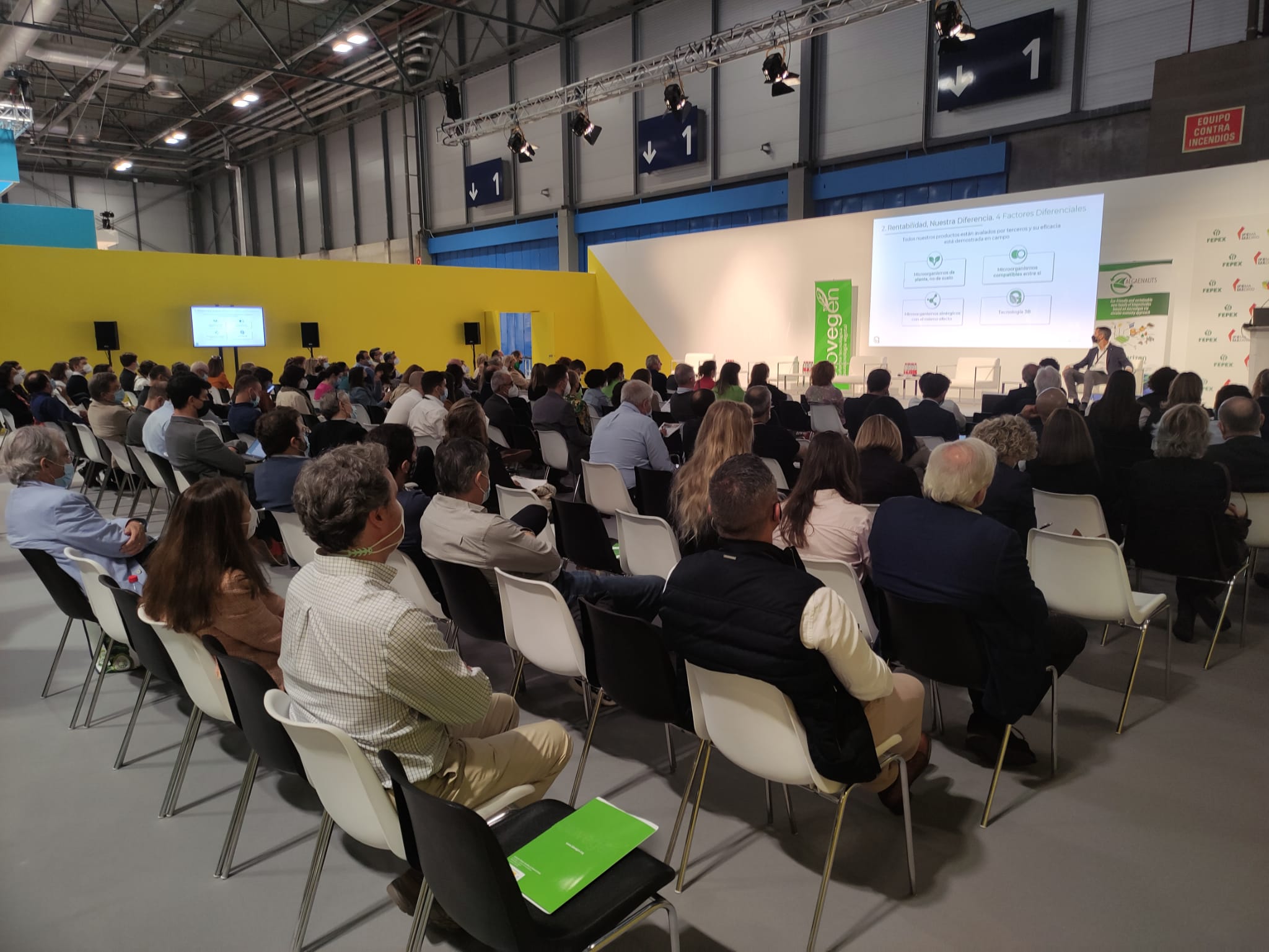
Program and presentations of the day
11:15 a.m. Welcome coffee
12:00 p.m. Opening of the day
12:10 p.m. SESSION 1: Technological trends in biotech innovation
- Application of genomic and biotechnological resources for crop improvement. Amparo Monfort. IRTA-CRAG
- Agrobio and digitalization. EARTH platform. Carlos Baixauli. CAJAMAR
12:40 p.m. SESSION 2: Innovative and disruptive companies
- Compounds derived from plants for pharmaceutical, phytosanitary products and food additives (Search for partners for Horizon Europe). Agatha Agudelo, Eva Bataller. SAKATA SEED IBERICA.
- Agrobiological products for new agriculture. Ignacio Horche. Green Universe Agriculture
1:00 p.m. SESSION 3: Financing for agrobio innovation
- R&D financing instruments. Enrique Playán. State Investigation Agency
- NEXT GENERATION EU funds. Gonzalo Arana. CEOE European Projects Office
1:30 p.m. BIOVEGEN as a catalyst for agricultural innovation
- Gonzaga Ruiz de Gauna. gerent BIOVEGEN
1:45 p.m. Questions and discussion
2:00 p.m. Closure
 English
  Spanish