
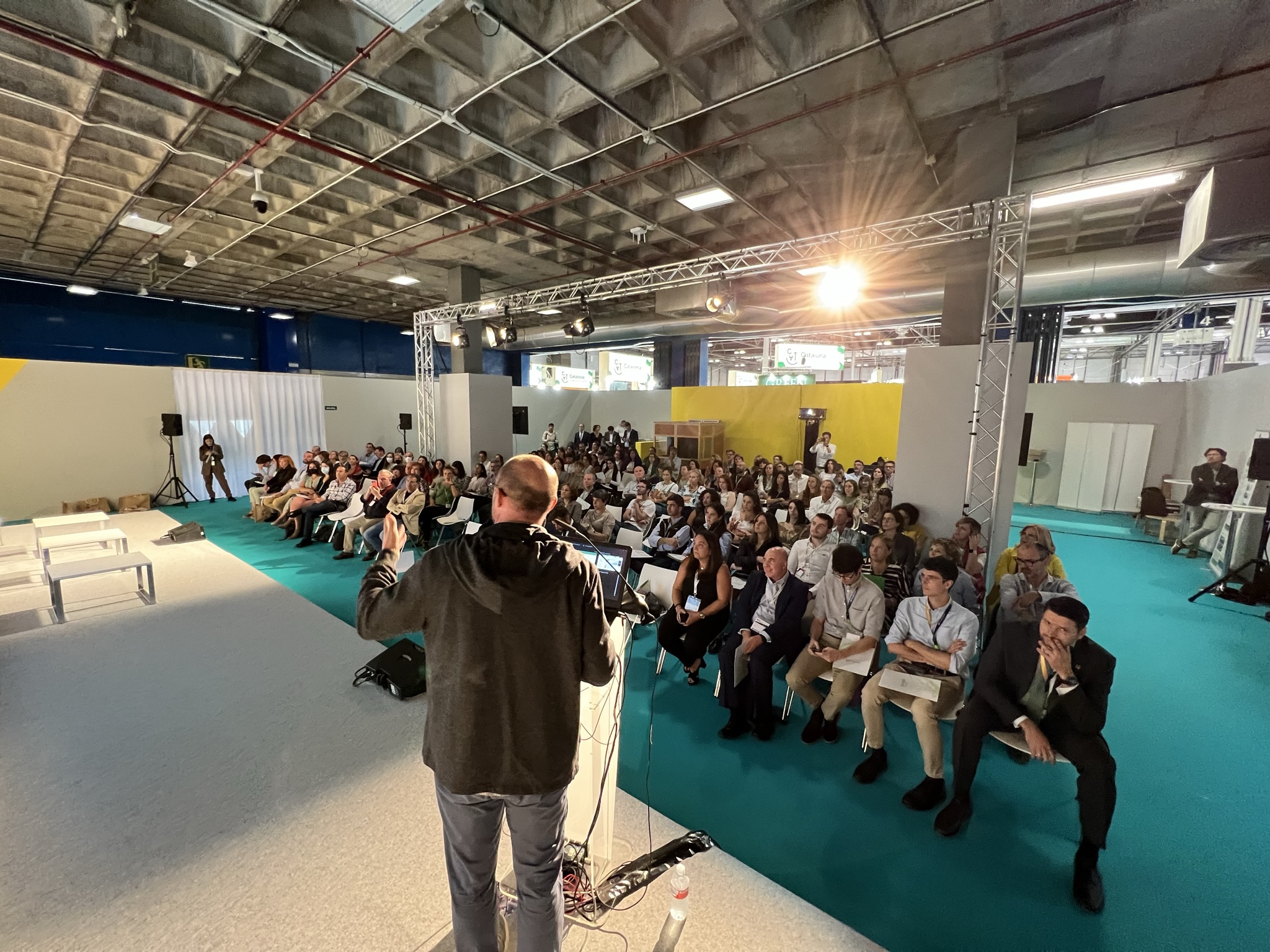
The BIOTECH ATTRACTION 2022 Conference brings together nearly 200 actors from the agri-food sector
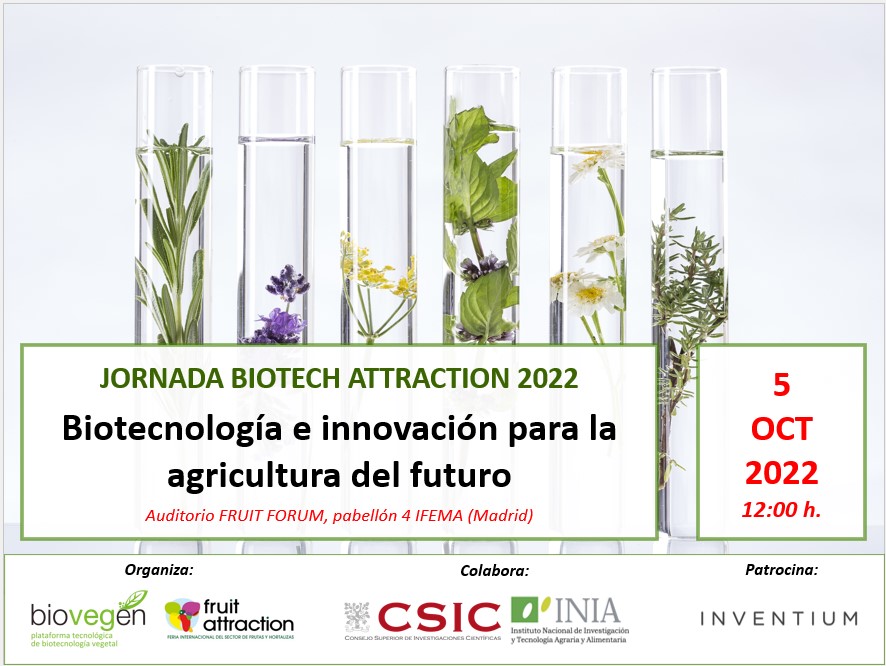
- The Newcotiana project to extract high-value substances from tobacco has attracted the biotechnology giant German NOMAD Bioscience, which is already testing a sweetener 11,000 times sweeter than sugar in Extremadura.
- Biovegen exhibits the advances in genetic editing techniques at Fruit Attraction both in bioplants and in the improvement of fruits, as is the case of the IHSM-CSIC research to extend the life of strawberries and improve the quality of olive oil.
- Microorganisms are the key: AlgaEnergy's biostimulants from algae increase yields up to 22%, Biome Makers deciphers the biology of the earth, collaborates with Bayer Cropscience and creates a system to measure soil quality.
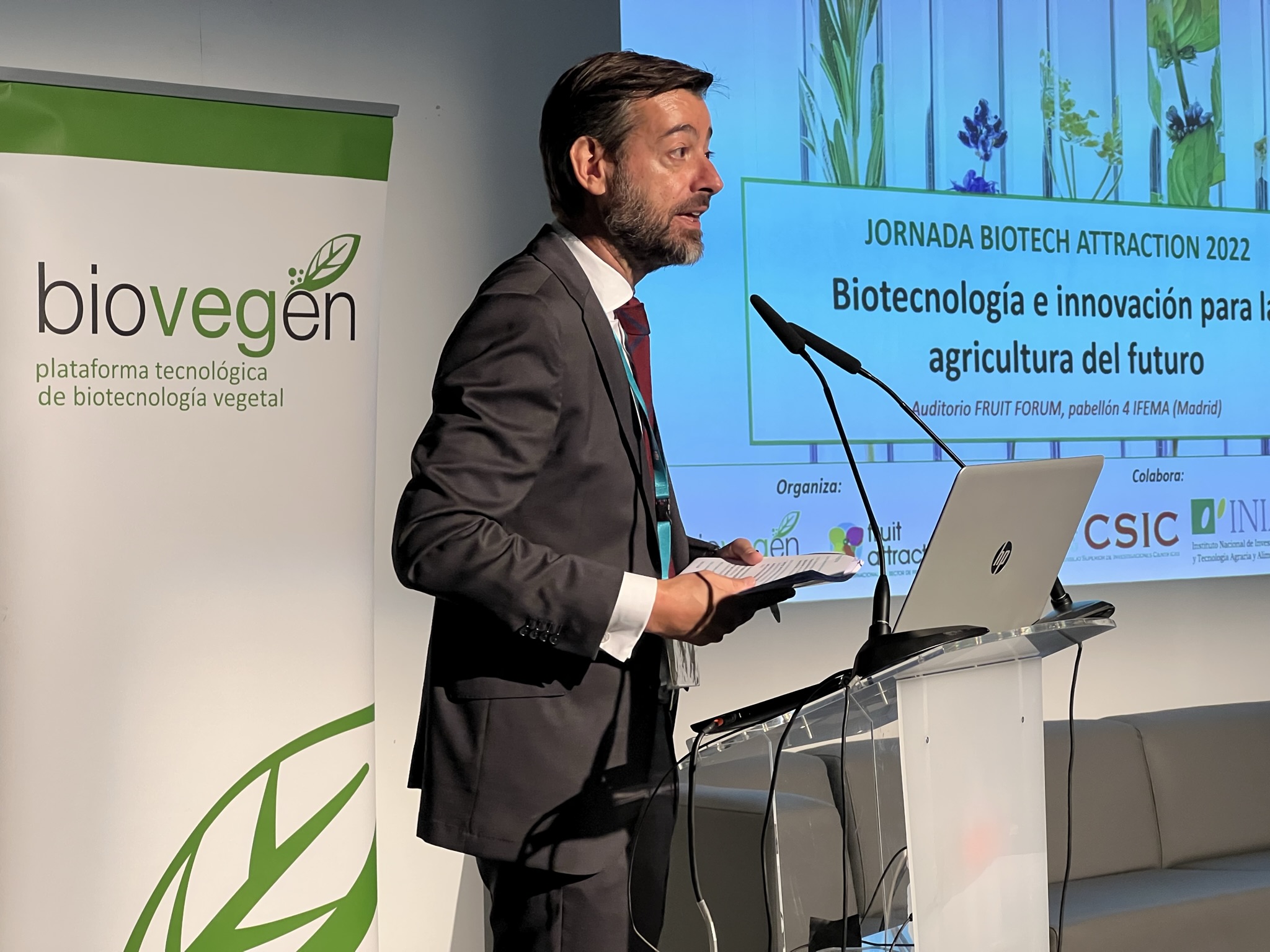
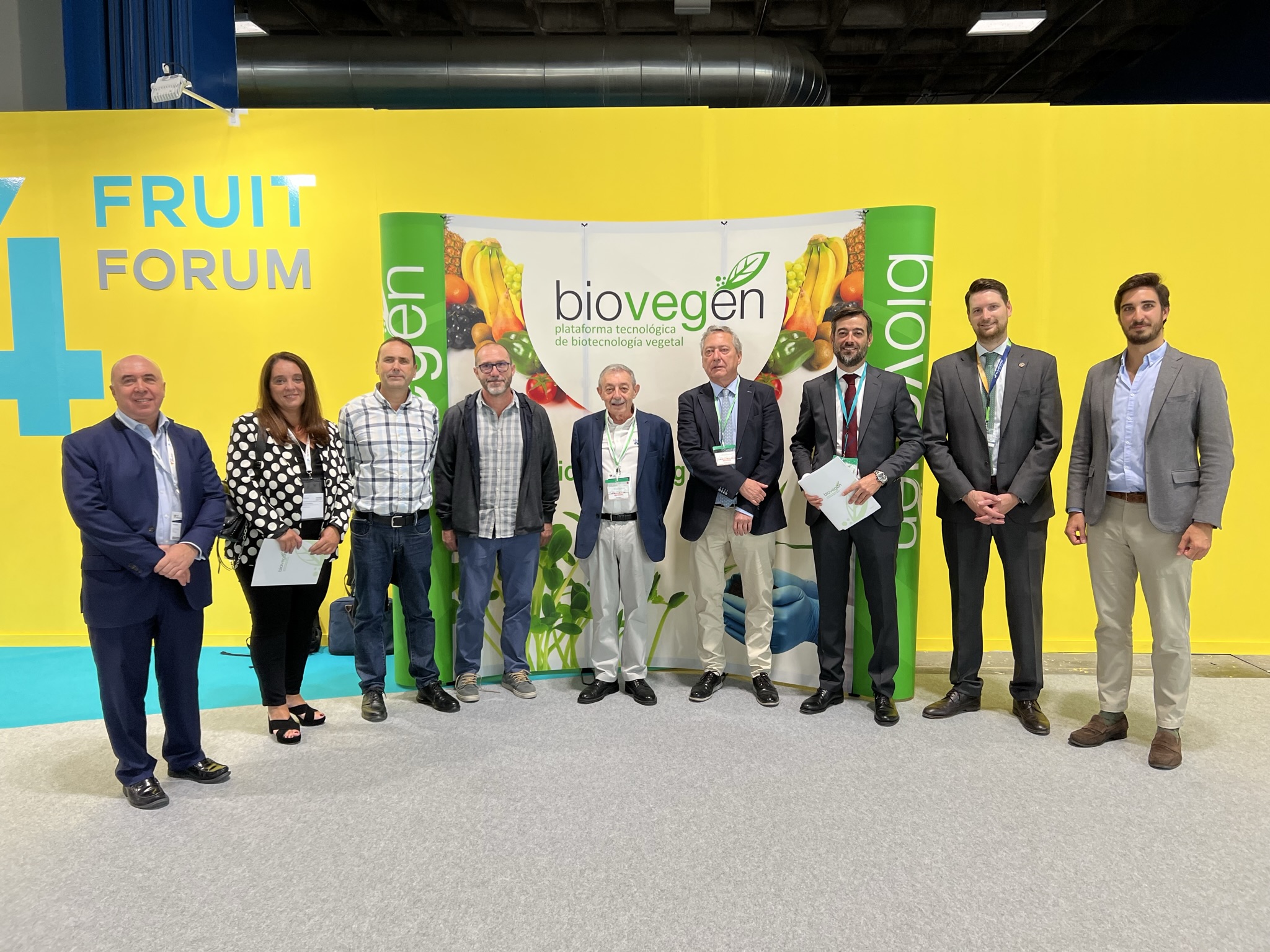
Despite the restrictive EU legislative framework, now under review, Spain is striving not to be left behind in the scientific revolution that the development of new genetic editing techniques is bringing about. One of the emerging fields in this field is the development of biofactories to obtain, from plants, new molecules for agricultural use (pheromones that replace synthetic insecticides or new biological insecticides), food (supplements, sweeteners, additives-...) , healthcare (vaccines, antibodies, cancer drugs...), industrial (stain remover tops, for example) or cosmetics. Obtaining these high-value proteins or metabolites from vegetables and not, as until now, from the 'reprogramming' of bacteria, into yeasts or biofermentation systems, will be key to moving towards greater sustainability. In fact, plants account for 81% of the planet's biomass and therefore obtaining such molecules from them is a cheaper, faster process that allows greater scalability in production. “Spain is very well placed in research for the development of biofactories. We have been able to attract investment from multinationals for large projects and we have an ecosystem of start-ups with great potential," explained Diego Orzáez, researcher at the Institute of Molecular and Cellular Biology of Plants (IBMCP, a joint research center of the CSIC and the Polytechnic University of Valencia, UPV) at the inauguration of the Biotech conferences organized by Biovegen during the from the Fruit Attraction fair.

Biovegen, the platform dedicated to connecting biotechnology research with the company, wanted to emphasize how the use of CRISPR-Cas-9 is allowing the leap towards more sustainable solutions, facilitating the medium-term consolidation of a new cutting-edge agricultural industry. A good example of this has been, at an international level, the obtaining of the first vaccine against Covid-19 from plants and, in the Spanish case, the outstanding results of the European Newcotiana project. This program aims to modify - through this high-precision genetic technique - the composition and, therefore, the use we make of tobacco plants, enriching them with high-value substances. Work is being done on this crop – which extends over 9,000 hectares mainly in Extremadura – as well as on another plant that is a 'cousin' of tobacco, the N. benthamiana, for exploitation in biofactories and obtaining molecules for industrial use, feed, additives or pharmaceutical products.
According to Orzáez, coordinator of this project, the success in the field trials and the results obtained in the laboratories has managed to attract the German biotechnology giant NOMAD Bioscience, which, since 2021, has been working hand in hand with the CTAEX Agri-Food Technology Center, in tests with plants. in Extremeño fields that express 'Thaumatin II', a high-intensity natural non-caloric sweetener of plant origin, which turns out to be 11,000 times sweeter than sugar. In addition, the multinational is also testing another tobacco bioproduct in Spain, 'Salmocin E1b', for the control of Salmonella in the processing of poultry, pigs, fish and eggs for food purposes.

To delve into this area linked to the possibilities of new genetic editing techniques, this time applied to the improvement of varieties, Biovegen invited José Ángel Mercado, head of the Fruit Growing Department of the Institute of Subtropical and Mediterranean Horticulture 'La Mayora' ( center also linked to the CSIC and the University of Málaga). There they are working on improving strawberries to "reduce softening and lengthen their post-harvest life through ripening control and to increase tolerance to fungal pathogens," the researcher clarified. In the same sense, this time in an improvement process with the olive, "we have sought the overexpression or silencing of certain genes to increase tolerance to Verticillosis (a fungus), to shorten the youthful period of the trees and induce the flowering and to modify the composition of volatile compounds in the oil,” warned Mercado, who recognized that such advances open the door to “obtaining plants that produce olive oil with à la carte aromas.”
Soil improvement
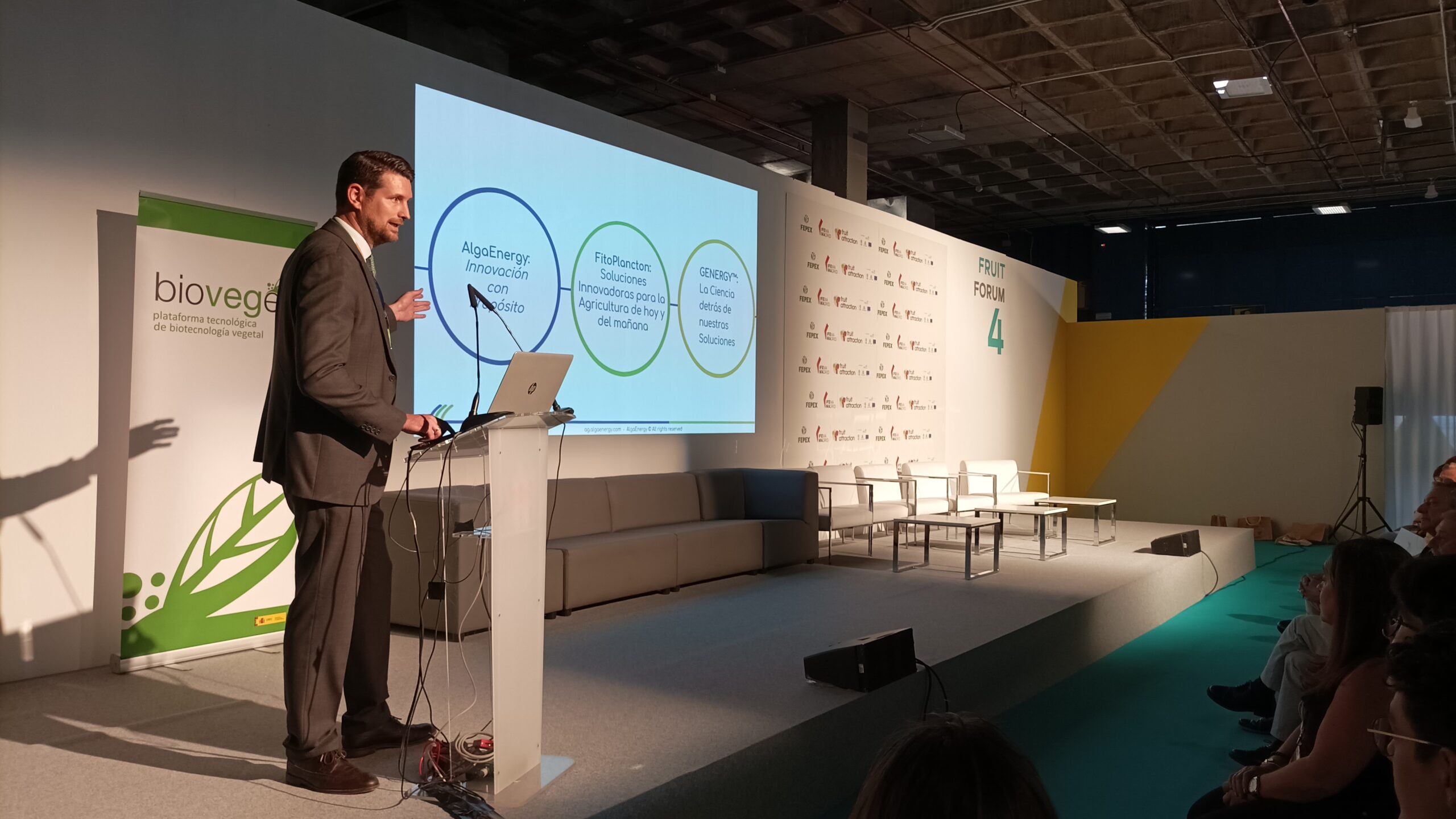
Biotechnology also works to adapt to climate change by acting on soil quality and improving the response to abiotic stress caused by periods of drought. In this sense, the work presented by the general director of Algaenergy, Carlos Rodríguez-Villa, was illustrative of how the new generation of biostimulants from microalgae can contribute to regenerative agriculture. “Phytoplankton gives us more than 50% of the oxygen we breathe and is key to capturing the CO2 we emit, it does not compete with human nutrition or other raw materials, it is very productive and an unlimited source of compounds of great interest (proteins, carbohydrates , fatty acids…)”, he explained. Next, Rodríguez-Villa clarified his model: “We are the first firm in the world to take advantage of the CO2 emitted by other industries to grow microalgae as part of a circular business.” Trials with biostimulants obtained in crops such as lettuce, tomato or strawberry but also in cereals such as rice or corn have shown an improvement in nitrogen efficiency and with it an increase in the average yields of 9% with tips of up to 22%.
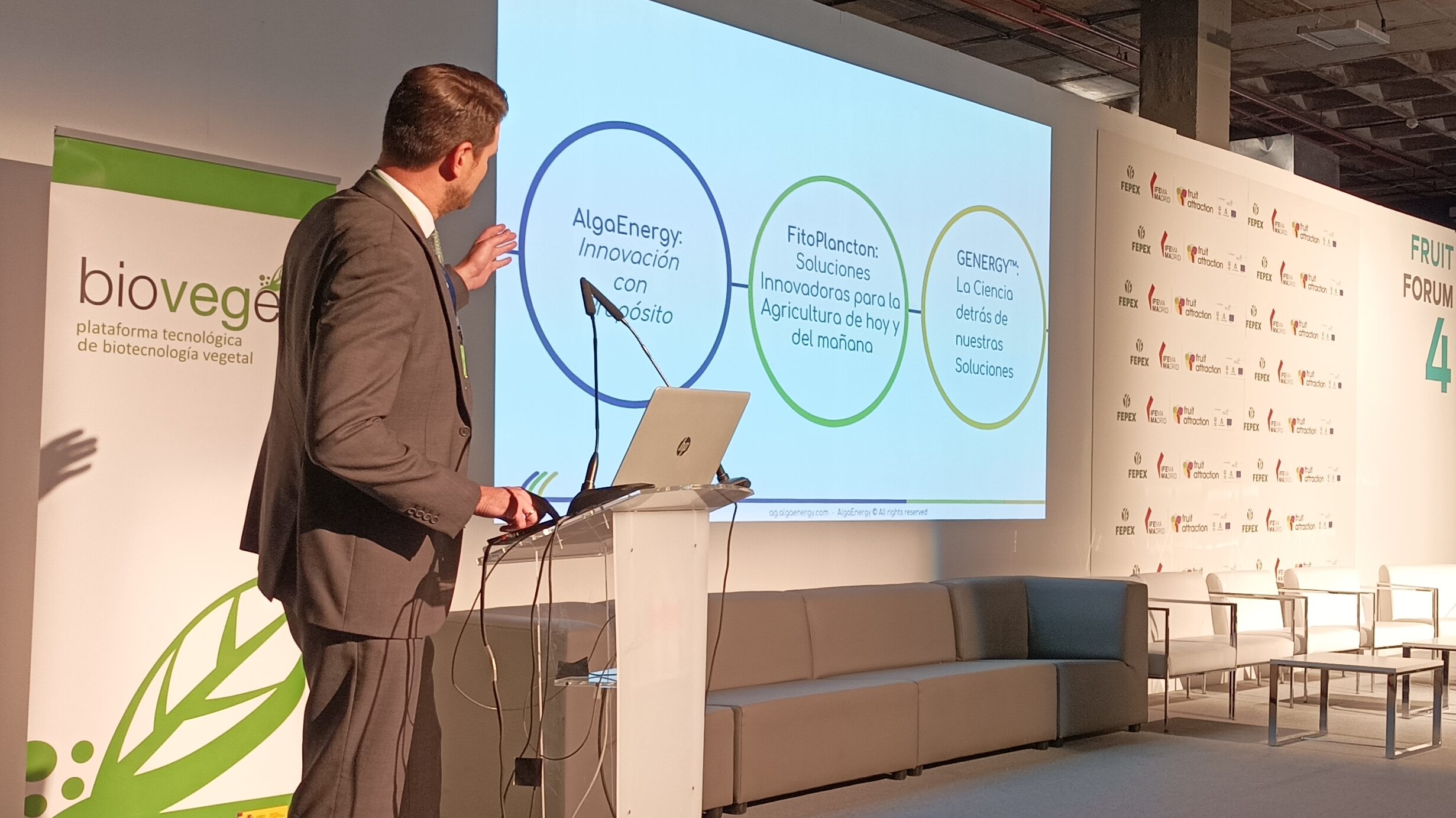
Also working to measure soil biodiversity, another disruptive project was presented, that of Biome Makers. This Spanish agrotechnology company has collaborated with Fyffes and Bayer Cropscience to test some of its biological solutions – specifically 'Serenade' and 'Sonata' -. Biome Makers applied the metric they created to measure the health of the land, in this case, in banana fields. “Substitutes for the Mancozeb fungicide – banned in the EU but supplied once a week throughout the year to control Sigatoka disease in South America (a fungus that reduces the harvest by 30/50%) – were applied and we resorted to our 'Becrop Trials' method to verify its effects,” explained Diego Moreno, commercial director of Biome Makers. “To measure and communicate the impact of regenerative agriculture, that change must be quantifiable. “We have developed a soil biological quality standard, a scientifically validated metric based on the life of the soil itself,” he clarified.
Gallery






Video

Program
12:00 p.m. Opening of the Day
12:15 p.m. Disruptive biotechnologies for the agricultural sector
- Biofactory plants, an emerging sector. Diego Orzaez. IBMCP (UPV-CSIC)
- Applications of plant biotechnology for the improvement of fruit and vegetable species. José Ángel Mercado. IHSM (UMA-CSIC)
1:00 p.m. Innovative companies in agrobiotechnology
- Algaenergy: Deciphering the mode of action of microalgae in agriculture. Carlos Rodríguez-Villa. General Director AlgaEnergy
- BIOME MAKERS-Microbiome. Diego Moreno. Head of Sales EMEA & LATAM
1:30 p.m. News about financing plant innovation
- State Investigation Agency (AEI). Maria Angeles Ferre. Head of Scientific-Technical Thematic Programs
- CDTI aid for plant biotechnology. Carlos de la Cruz. Director of Technical Evaluation and Technological Cooperation. Center for Technological Development and Innovation (CDTI)
2:00 p.m. Conclusions and closing
Cocktail and networking
 English
  Spanish